Dementia, sleep and daydreaming

Dementia affects around 450,000 Australians, and it comes in hundreds of forms. New research reveals that one form of dementia takes away the ability to daydream, and this has implications for improved care. Sleep disruption in middle age also emerges as another risk factor. And we hear how, after diagnosis, one person found a meaningful role in breaking down the stigma of dementia.

Read More

If You Feel Better, your Brain Preforms Better

Currently, isn’t meditation just the ideal increase to your brain power? With meditation, your focus will certainly be strengthened, therefore you can fully concentrate on any psychological task that you are servicing. So you ought to find out to manage your mind and use it successfully for your very own objectives, do this by starting…

Read More

Lung Cancer Patient’s Tumors Shrunk in Half After Using CBD Oil

An 81-year-old man, who has not yet been identified, managed to shrink his tumors in half after being diagnosed with lung cancer and refusing traditional cancer treatment such as chemotherapy and radiation.

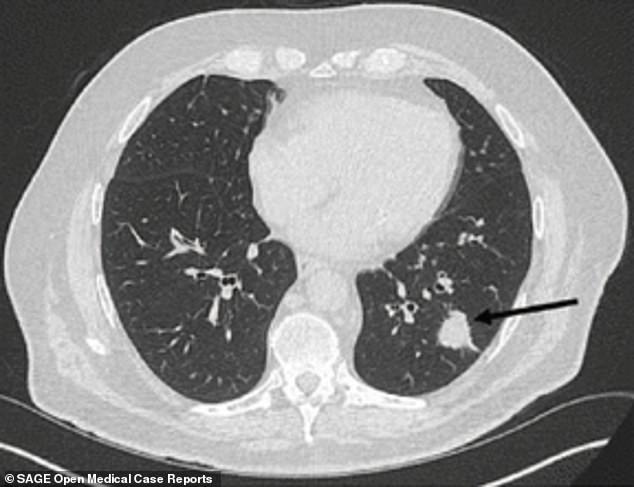
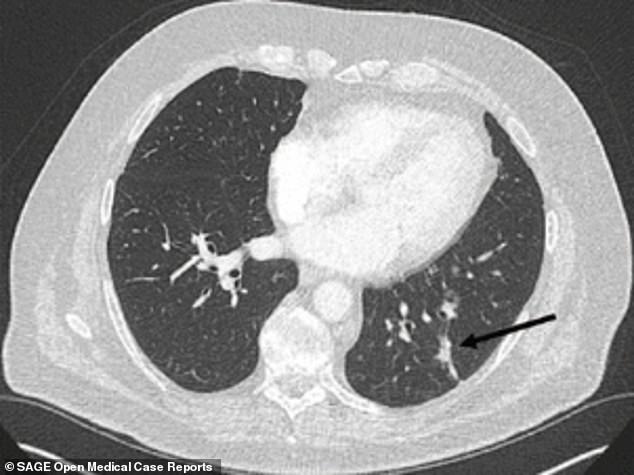
The man, who previously smoked around 18 cigarettes per day but quit 45 years ago, repeatedly refused medical treatments offered by doctors after being diagnosed with adenocarcinoma of the lung, opted to take cannabidiol (CBD) oil instead. After three months of almost daily use, scans of the man’s lungs showed that, not only did the tumors reduce in size by half, but the progression of the disease was completely reversed.

The man’s doctors have published the stunning scans and detailed his case in SAGE.

In October 2016, the man, who had previously been diagnosed with chronic obstructive pulmonary disease (COPD), diabetes, and prostate cancer (in remission), made an appointment with his primary care doctor after dealing with shortness of breath but no cough for the previous three weeks. An x-ray revealed a shadow in his left lung, which a follow-up CT scan confirmed as a 2.5 × 2.5 cm mass. A biopsy confirmed the diagnosis of lung adenocarcinoma and mediastinal lymph nodes.

CT scan of the man’s lungs from July 2017. The arrow indicates the location of the tumor.

CT scan of the man’s lungs from November 2017. The arrow indicates the location of the tumor, which reduced in size since the previous scan.

The report highlights the fact that, despite the improvement of targeted therapy in lieu of conventional therapy for lung cancer as well as the availability of new drugs, “lung cancer is associated with a very poor prognosis.” Because “it is not uncommon for many patients to have only a partial response, and relapse during follow-up,” it is not unusual for some patients to decline medical treatment altogether or opt for a natural alternative instead, especially later in life when available treatments tend to have a more detrimental effect on the body.

According to the report:

Prior work has shown that cannabidiol may have anti-neoplastic properties and enhance the immune response to cancer. The data presented here indicate that cannabidiol might have led to a striking response in a patient with lung cancer.”

The man reported that he began taking CBD oil (200 mg CBD in 10 mL) in September of 2017. He began with two drops twice daily for a week before increasing to nine drops twice daily for the rest of the month. After a November CT scan, he increased his dose to nine drops twice a day, save for a short break in which he felt the taste caused slight nausea, but never actually made him physically ill.

During the period of the time in which the tumor’s shrunk, there were no notable changes in the man’s diet, lifestyle, or medication.

CBD oil is a non-psychoactive phytocannabinoid found in cannabis plants (or Cannabis sativa). It has been shown to aid users in treating anxiety, arthritis, pain, depression, and more and is being used with increasingly frequency to relieve pain associated with cancer and cancer treatment and in an attempt to treat the cancer itself.

While experts warn that the case presented is just one instance of a cannabis success story and that the ability of cannabis to have any impact on cancer whatsoever is unproven, the report noted the importance of being “attentive to patients where the disease responds to treatments not considered standard in clinical practice.”

It was reported last year that an 83-year-old man named Gary Hill, who was also diagnosed with lung cancer, was also able to successfully shrink his tumor by using CBD oil. Reports citing anecdotal evidence continually surface detailing how cancer patients using cannabidiol were able to shrink or completely cure their cancers including skin, breast, and liver cancers. In extreme cases, some patients have even halted conventional treatment due to a significant risk that they may not even survive it, only to later cure their cancer using CBD oil. Such a case, involving a three-year-old girl, was reported by People magazine in 2018.

The post Lung Cancer Patient’s Tumors Shrunk in Half After Using CBD Oil appeared first on The Mind Unleashed.

Read More

Johnson & Johnson Exposed as ‘Kingpin’ Supplier, Seller, Lobbyist of Opioid Epidemic

Transnational corporation Johnson & Johnson has been accused of playing the role of “kingpin” in the nationwide opioid epidemic that continues to claim thousands of lives every year, according to an Axios report.

The pharmaceutical, medical, and consumer goods giant–which holds a range of properties including some of the most recognizable U.S. brands such as Band-Aids, No More Tears baby shampoo, and Neosporin, among others–has been accused by officials in the state of Oklahoma of playing the role of supplier, seller and lobbyist in the global opioid market.

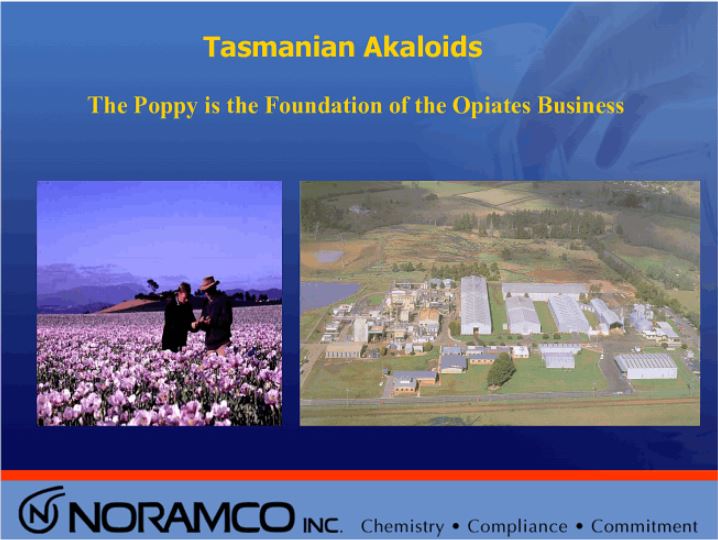
J&J’s work in the painkiller market was done through two subsidiaries, Noramco and Tasmanian Alkaloids, which it sold to a private equity firm in 2016 for $650 million, according to Axios.
The company has long depicted itself as a “family company” operating under the credo:

“We are responsible to the communities in which we live and work and to the world community as well.”

But the new revelations cast, in sharp relief, how the company pulverized entire communities and destroyed families while raking in massive profits from a crisis that has fed waves of crime and a crisis of addiction and deadly overdoses that claim over 100 lives per day.

https://platform.twitter.com/widgets.js

Oklahoma Attorney General Mike Hunter has requested that the state release a vast tranche of confidential documents numbering in the millions of pages that Johnson & Johnson was forced to submit during the discovery phase of Oklahoma’s legal fight against the key companies who sparked the opioid crisis.

In his request, Hunter noted:

“Oklahomans deserve answers … [we] need to know about how one particular company, J&J, inserted itself into our State and sought to influence every opioid-related decision the State made or considered – from scheduling to swallowing … J&J continues to fight to keep those answers concealed. In the dark. Away from the public.”

He added:

“The public … deserves to know the full extent of J&J’s efforts to influence policymakers at all levels of government in order to increase sales of their (and their co-conspirators’) drugs.”

The litigation hints at how the culpability for the opioid epidemic can hardly be restricted to companies such as Purdue Pharma, the producer of OxyContin. Purdue is currently being sued by Massachusetts for its role in deliberately misleading the public over the lethal dangers of its opioid painkillers.

Yet the new report shows how J&J played a key role in producing the plant materials–such as the raw narcotics from Tasmanian poppy fields–which were turned into the active ingredients of popular opioids, including those produced by Purdue Pharma.

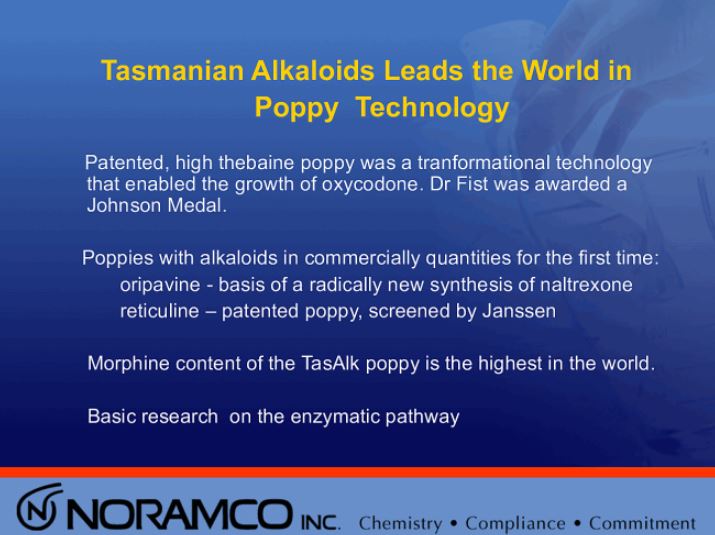
In investor slides, the company also openly boasted of the addictive qualities of its products, noting that its opium poppies “enabled the growth of oxycodone,” while the morphine content of its other poppy was among “the highest in the world.”
In the meantime, the company also reportedly provided funding for pro-opioid advocacy groups such as the Pain Care Forum. Brochures for seniors produced by a company subsidiary also made the ludicrous false claim that “opioids are rarely addictive.” Such propaganda and promotional efforts, referred to as a “pro-opioid echo chamber” in the motion, were a part of the company’s concerted effort to target vulnerable demographic groups, including children.

J&J has lambasted the attorney general’s motion as containing “baseless and unsubstantiated” allegations meant to generate “sensationalistic headlines and to poison potential jurors.” The company has also argued that its subsidiaries, which were sold to private equity firms years ago, “met all laws and regulations.”

Yet it remains obvious, based on the once-confidential material that Oklahoma now possesses, that the company had been making billions of dollars hand over fist while trafficking and hustling addictive substances through what it called its “pain management franchise.”

And as increased calls to tackle the opioid crisis grow louder, from the White House to state legislatures and the streets, it remains clear that the big players who caused the crisis should be exposed from top to bottom, along with their nefarious practices and concerted attempts to mislead and deceive the U.S. public.

The post Johnson & Johnson Exposed as ‘Kingpin’ Supplier, Seller, Lobbyist of Opioid Epidemic appeared first on The Mind Unleashed.


Read More

Reality Behind Postponement And Motivation

Many people are afflicted by stalling. It retains them from living satisfied existence and achieving their complete prospective. There are numerous concepts at the rear of the thing that makes people put things off and the way to quit, but handful of hit the toe nail within the head and reveal the point, that’s: Come…

Read More