




What Is Faith? From Simple Trust to Deep Conviction
Faith is the stance we take toward uncertainty. At its most ordinary it is the tiny wager you make when you trust a friend to show up or when you step on an elevator and assume the floor will hold. At its most profound it becomes a worldview, a settled confidence that orders meaning and purpose. Between these poles lie habits, commitments, and narratives that transform hope into conviction.
Trusting People: Faith in Relationships and Leaders
Relationships run on faith. We reveal vulnerabilities because we expect reciprocity. Belief in another person—partner, parent, mentor—grows through repeated reliability and shared risk. Similarly, we place institutional trust in leaders whose competence, integrity, and track record suggest they will act in our interest. That trust can be fragile; betrayal or incompetence erodes it quickly. Rebuilding faith requires transparency, accountability, and time.

Faith in Things: Confidence in Systems, Science, and Objects
We also invest faith in impersonal systems and objects. From the bridge we drive across to the software that stores our memories, confidence in design, testing, and human ingenuity keeps modern life functioning. Scientific faith differs from religious faith: it is provisional, based on evidence and revisable with new data. Yet it still rests on trust—trust in methods, peer review, and the honesty of researchers. Even everyday objects demand a baseline faith that craftsmanship matched the specification.
Faith in a Higher Power: Religious Meaning and Experience
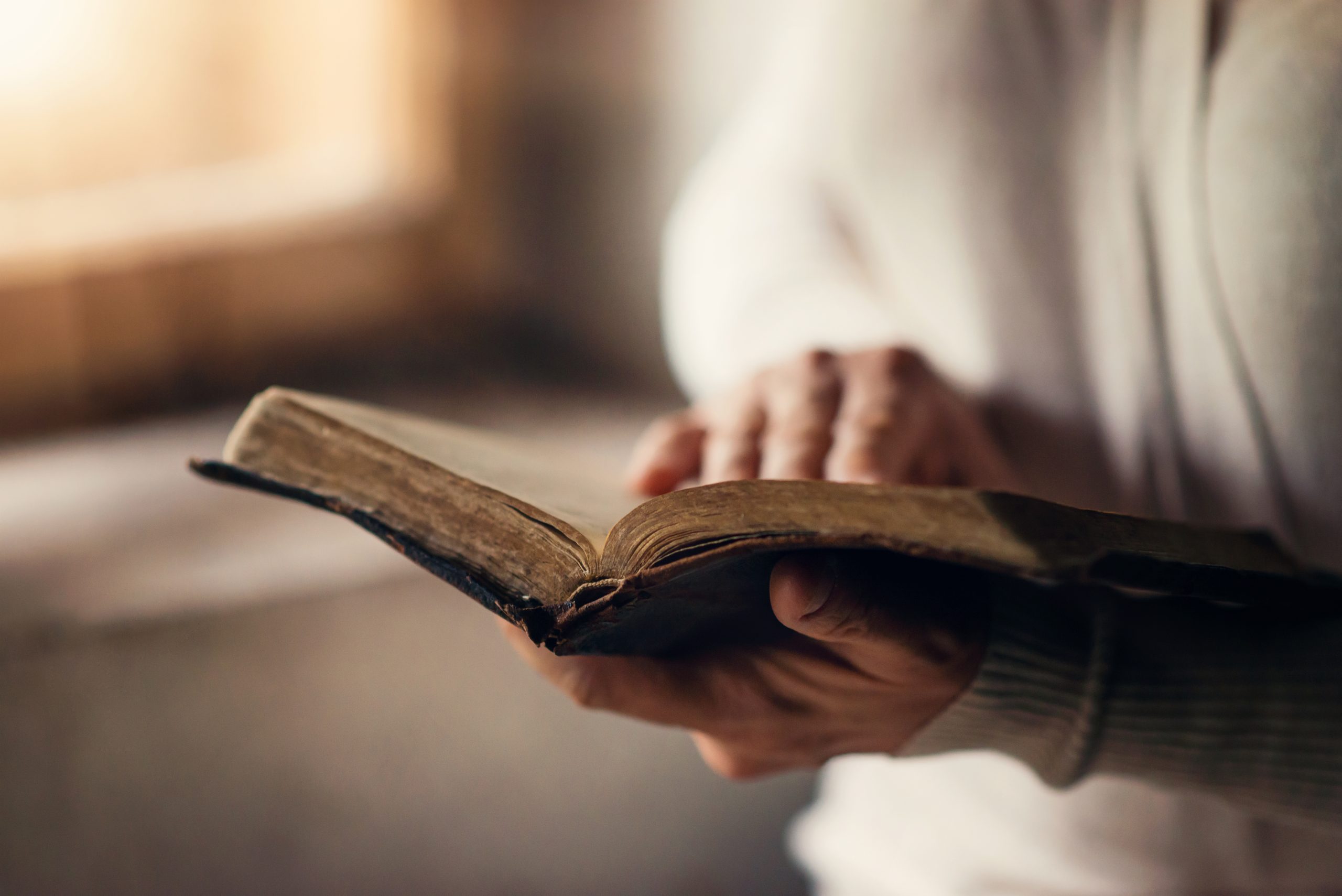
Religious faith channels trust toward the transcendent. For billions that means believing in a deity or divine order that sustains, judges, or guides. This faith often combines personal experience—moments of awe, prayer, answered petitions—with teachings, rituals, and community. It supplies moral frameworks and comforts in suffering. Religious conviction can be mystical and intimate, doctrinal and communal, intellectual and embodied all at once.
Doubt, Evidence, and the Dynamics of Belief
Faith is never immune to doubt. Questions sharpen belief or derail it; evidence can confirm, complicate, or contradict our assumptions. Healthy faith often tolerates uncertainty, allowing for questioning without total collapse. Conversely, blind faith resists interrogation and can become harmful. The dynamic interplay between skepticism and trust is where robust beliefs are tested and either strengthened or reconfigured.
Faith in Action: How Trust Shapes Choices, Ethics, and Community
Faith manifests in choices: whom we support, what risks we take, which institutions we join. It shapes ethics—trusting that others deserve dignity encourages generosity; suspecting bad faith cultivates caution or exclusion. Communities form around shared trust, generating solidarity and mutual aid. When faith is active, it animates courage, service, and resilience. When misplaced, it can lead to harm. The challenge is to cultivate discerning trust: generous enough to build connection, critical enough to avoid blindness.
Faith, in all its forms, remains a human response to uncertainty, a force that builds or breaks worlds depending on how wisely it is placed. Choosing faith carefully is both an individual art and a communal responsibility worth cultivating every single day.